
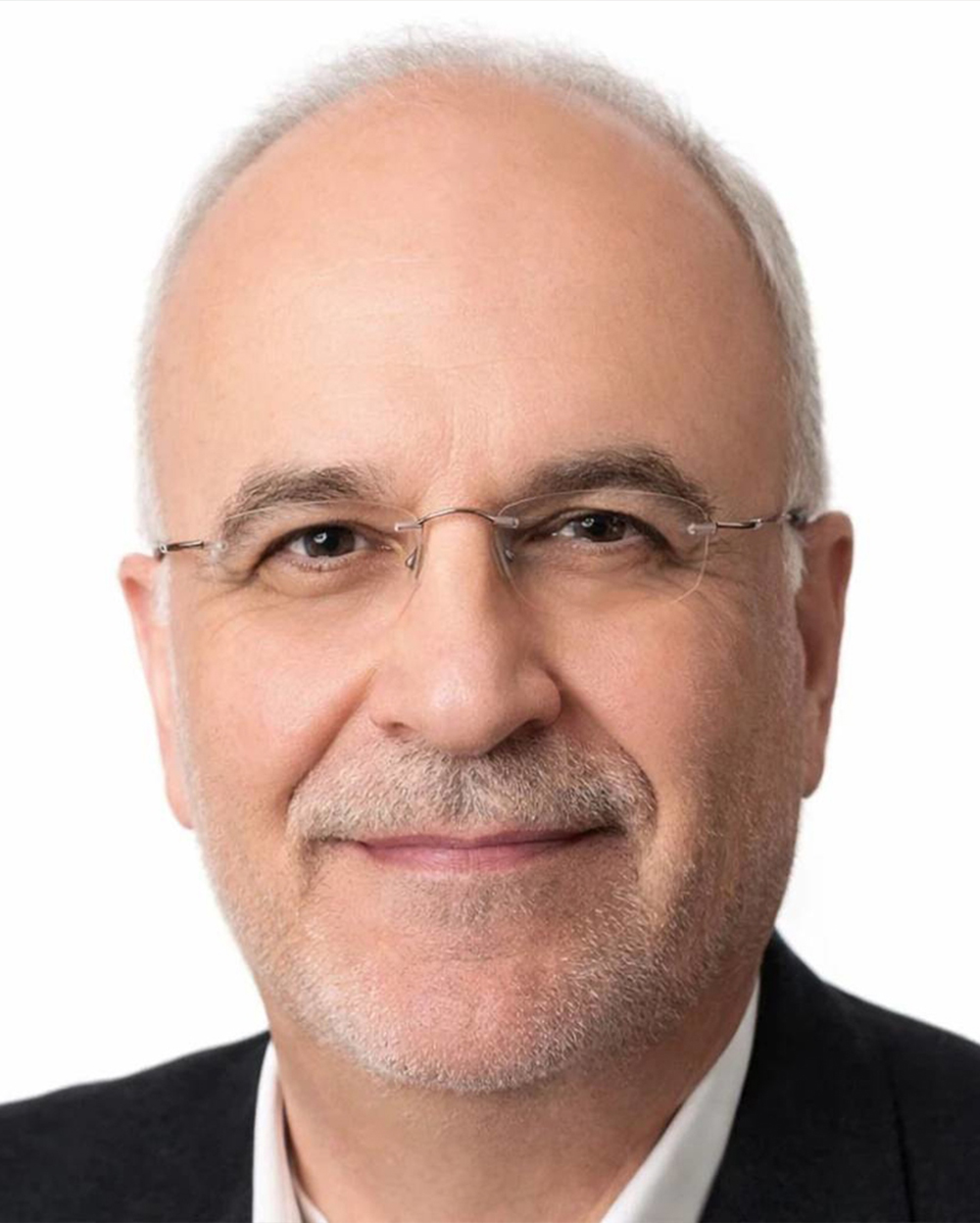


Biography: Jiancheng An (Senior Member, IEEE) received the B.S. degree in Electronics and Information Engineering and the Ph.D. degree in Information and Communication Engineering from the University of Electronic Science and Technology of China (UESTC), Chengdu, China, in 2016 and 2021, respectively. From 2019 to 2020, he was a Visiting Scholar with the Next-Generation Wireless Group, University of Southampton, Southampton, U.K. From 2021 to 2023, he was a Post-Doctoral Research Fellow with the Engineering Product Development (EPD) Pillar, Singapore University of Technology and Design (SUTD), Singapore. From 2023 to 2026, he was a Research Fellow with the School of Electrical and Electronics Engineering, Nanyang Technological University (NTU), Singapore. He is currently a Professor with the School of Electronic Science and Engineering, UESTC, Chengdu, China. Dr. An received the IEEE International Conference on Communications (ICC) 2023 Best Paper Award. He is the co-inventor of six patents and has published over 100 research papers in peer-reviewed international journals and conferences. His research interests include stacked intelligent metasurfaces (SIM), flexible intelligent metasurfaces (FIM), and electromagnetic neural networks (EMNN). Dr. An serves as an Editor for IEEE Transactions on Communications, IEEE Open Journal of the Communications Society, and IEEE Wireless Communications Letters. He is also the Lead Guest Editor for the Special Issue on “Stacked Intelligent Metasurface-Empowered Advanced Signal Processing Paradigm for 6G and Beyond” in IEEE Wireless Communications.
